RelationshipOps of the Week #31.
Workflow Optimization Agency
Workflow Optimization Agency
|
“one curious comment → a connection → a call → a nerdy email → a referral from someone I've never actually met → a major engagement.”
“one curious comment → a connection → a call → a nerdy email → a referral from someone I've never actually met → a major engagement.”

Malcolm Colman-Shearer.
This week, we’re featuring Malcolm Colman-Shearer, Founder and CEO of Optimi… a New Zealand-based workflow optimization agency helping small organisations punch above their weight with the right systems.
At Optimi, Malcolm focuses on operational clarity… designing processes, systems, and AI-enabled workflows that reduce friction and unlock capacity for growing teams. His work sits at the intersection of strategy and execution, where founders and nonprofit leaders often feel the strain of complexity outpacing structure.
What stands out about Malcolm’s approach is… how openly he experiments in public.
From sharing reflections on client work to testing AI-assisted communication, he treats LinkedIn less like a broadcasting channel and more like a laboratory. That spirit of curiosity carries into how Optimi engages with non-profits and mission-driven organisations looking to do more with less.
And as you’ll find out below, that same curiosity driven mindset is exactly what fuels the relationships behind some of his most significant engagements.
With no more delay, let’s dive straight into today’s agenda.
Curious Comment Chain.
Leonard Chin: What’s an instance when a relationship led to a big win or a really great opportunity for your business?
Malcolm Colman-Shearer:
“Last year, I left a genuine comment on a Linkedin post by someone working in climate tech that was part of my wider network. Not a strategic comment — I was just curious about what she was doing and had something useful to add.
That comment led to a connection. The connection led to an introductory call with someone on her team. During that call, we clicked - not because I pitched anything, but because we geeked out about how small organisations can punch above their weight with the right systems.
After the call, I sent a follow-up that was... let's say characteristically nerdy. I'd been experimenting with Al-assisted communication and the email was playful, a bit unconventional, and very much "me." It caught the attention of someone else copied on the thread — someone I hadn't even met yet.
That person — someone I've never spoken to, never had a call with, never exchanged a single direct message with - referred me to an organisation that became one of my most significant coaching engagements of the year. Based entirely on one email they were copied on.
So the chain was: one curious comment → a connection → a call → a nerdy email → a referral from someone I've never actually met → a major engagement.
None of it was planned. None of it was "strategic networking." It started with genuine curiosity about someone else's work and ended with a significant piece of business — from someone four steps removed from my original comment, who I still haven't met.
The thing that made it work wasn't my sales skills. It was that at every step, I was just being myself — curious, a bit unconventional, and genuinely interested in what other people were building. And that authenticity carried through to someone who only ever saw me on CC.”
Consistent Genuine Engagement.
Leonard Chin: What's your daily/weekly routine for maintaining relationships that help your business?
Malcolm Colman-Shearer:
“I'll be honest — I don't have a polished system. No CRM reminders telling me to "check in with so-and-so." I tried that. It felt performative.
What I do have is a habit: I show up on Linkedin most days, not to broadcast but to engage. I post about three times a week — things I'm learning from client work, experiments with Al, honest reflections on what's working and what isn't. The goal is always to be genuinely helpful, not to perform expertise.
Beyond posting, I read what people in my world are sharing - other consultants, nonprofit leaders, people building interesting things — and when something genuinely sparks my curiosity, I respond with substance. Not "Great post!" but actual thoughts, questions, frameworks, or experiences that add to the conversation.
That's basically it. Consistent, genuine engagement. Commenting on what interests me.
Asking questions I actually want answers to. Sharing what I'm learning from my own work without packaging it into a sales pitch.
The relationships that matter to my business have almost all started this way - through authentic exchanges, not through outreach campaigns or networking events. Someone reads a comment, checks my profile, and a conversation starts. Or I read something that makes me think of someone I haven't spoken to in months, and I send them a message.
I think the key is that I'm not "maintaining relationships" as a strategy. I'm just staying genuinely curious about people and their work. The business impact is a byproduct.”
Stop Trying to Network.
Leonard Chin: What tips would you give to your younger self around relationships and how they impact business?
Malcolm Colman-Shearer:
“Stop trying to network. Start being genuinely curious.
Early in my career, I thought relationships were something you "built" - strategically, with purpose, with an ROl in mind. I'd go to events, collect business cards, send follow-up emails. It was exhausting and it rarely led anywhere meaningful.
The shift happened when I stopped thinking about what I could get from people and started getting genuinely interested in what they were doing. Not as a tactic — as a mindset.
Here's what l'd tell my younger self specifically:
Your weird interests are your best networking tool. The nerdy email that landed me a major referral? It worked because it was authentically, unapologetically me. The version of me who was trying to be polished and professional would never have sent it. And the opportunity would never have happened.
Give without tracking. That original Linkedin comment took maybe two minutes. I wasn't thinking about what it might lead to. I was just interested. The four-step chain that followed - from a comment to a major engagement — happened precisely because it wasn't calculated.
Show your work publicly. Share what you're learning, what you're experimenting with, what you're getting wrong. Not polished thought leadership — real, in-progress thinking. People connect with authenticity, not perfection... I'm still working on this, it can feel scary when you feel like you're on a stage in front of millions. I find it's better to imagine I have a stall amongst thousands at an exhibition and no one apart from friends even notices it. Takes the pressure off!
And maybe most importantly: the best relationships in business come from the same place as the best relationships in life - genuine interest in another human being.
Everything else is just networking theatre.”
Key Takeaways.
We’re glad to have Malcolm Colman-Shearer with us on this week’s series, and here are the few key takeaways:
Authentic curiosity compounds. A two-minute LinkedIn comment turned into a major engagement… not through strategy, but through genuine interest carried consistently across touchpoints.
Show up as yourself. The unconventional, nerdy follow up email didn’t repel opportunity… it attracted it, even from someone who had only seen Malcolm on CC.
Relationships are a byproduct. When you focus on curiosity, generosity, and sharing your work publicly… the business impact follows without forced networking theatre.
That’s all for now.
If you're open to sharing your experiences in one of our future articles… or know of someone who is, feel free to drop me an email here.
Author.
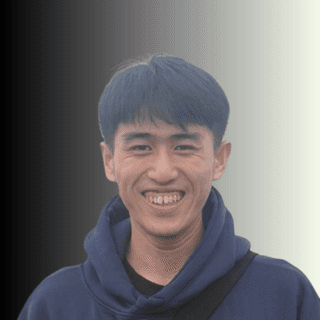
Leonard Chin
Follow me on LinkedIn.
Malcolm Colman-Shearer.
This week, we’re featuring Malcolm Colman-Shearer, Founder and CEO of Optimi… a New Zealand-based workflow optimization agency helping small organisations punch above their weight with the right systems.
At Optimi, Malcolm focuses on operational clarity… designing processes, systems, and AI-enabled workflows that reduce friction and unlock capacity for growing teams. His work sits at the intersection of strategy and execution, where founders and nonprofit leaders often feel the strain of complexity outpacing structure.
What stands out about Malcolm’s approach is… how openly he experiments in public.
From sharing reflections on client work to testing AI-assisted communication, he treats LinkedIn less like a broadcasting channel and more like a laboratory. That spirit of curiosity carries into how Optimi engages with non-profits and mission-driven organisations looking to do more with less.
And as you’ll find out below, that same curiosity driven mindset is exactly what fuels the relationships behind some of his most significant engagements.
With no more delay, let’s dive straight into today’s agenda.
Curious Comment Chain.
Leonard Chin: What’s an instance when a relationship led to a big win or a really great opportunity for your business?
Malcolm Colman-Shearer:
“Last year, I left a genuine comment on a Linkedin post by someone working in climate tech that was part of my wider network. Not a strategic comment — I was just curious about what she was doing and had something useful to add.
That comment led to a connection. The connection led to an introductory call with someone on her team. During that call, we clicked - not because I pitched anything, but because we geeked out about how small organisations can punch above their weight with the right systems.
After the call, I sent a follow-up that was... let's say characteristically nerdy. I'd been experimenting with Al-assisted communication and the email was playful, a bit unconventional, and very much "me." It caught the attention of someone else copied on the thread — someone I hadn't even met yet.
That person — someone I've never spoken to, never had a call with, never exchanged a single direct message with - referred me to an organisation that became one of my most significant coaching engagements of the year. Based entirely on one email they were copied on.
So the chain was: one curious comment → a connection → a call → a nerdy email → a referral from someone I've never actually met → a major engagement.
None of it was planned. None of it was "strategic networking." It started with genuine curiosity about someone else's work and ended with a significant piece of business — from someone four steps removed from my original comment, who I still haven't met.
The thing that made it work wasn't my sales skills. It was that at every step, I was just being myself — curious, a bit unconventional, and genuinely interested in what other people were building. And that authenticity carried through to someone who only ever saw me on CC.”
Consistent Genuine Engagement.
Leonard Chin: What's your daily/weekly routine for maintaining relationships that help your business?
Malcolm Colman-Shearer:
“I'll be honest — I don't have a polished system. No CRM reminders telling me to "check in with so-and-so." I tried that. It felt performative.
What I do have is a habit: I show up on Linkedin most days, not to broadcast but to engage. I post about three times a week — things I'm learning from client work, experiments with Al, honest reflections on what's working and what isn't. The goal is always to be genuinely helpful, not to perform expertise.
Beyond posting, I read what people in my world are sharing - other consultants, nonprofit leaders, people building interesting things — and when something genuinely sparks my curiosity, I respond with substance. Not "Great post!" but actual thoughts, questions, frameworks, or experiences that add to the conversation.
That's basically it. Consistent, genuine engagement. Commenting on what interests me.
Asking questions I actually want answers to. Sharing what I'm learning from my own work without packaging it into a sales pitch.
The relationships that matter to my business have almost all started this way - through authentic exchanges, not through outreach campaigns or networking events. Someone reads a comment, checks my profile, and a conversation starts. Or I read something that makes me think of someone I haven't spoken to in months, and I send them a message.
I think the key is that I'm not "maintaining relationships" as a strategy. I'm just staying genuinely curious about people and their work. The business impact is a byproduct.”
Stop Trying to Network.
Leonard Chin: What tips would you give to your younger self around relationships and how they impact business?
Malcolm Colman-Shearer:
“Stop trying to network. Start being genuinely curious.
Early in my career, I thought relationships were something you "built" - strategically, with purpose, with an ROl in mind. I'd go to events, collect business cards, send follow-up emails. It was exhausting and it rarely led anywhere meaningful.
The shift happened when I stopped thinking about what I could get from people and started getting genuinely interested in what they were doing. Not as a tactic — as a mindset.
Here's what l'd tell my younger self specifically:
Your weird interests are your best networking tool. The nerdy email that landed me a major referral? It worked because it was authentically, unapologetically me. The version of me who was trying to be polished and professional would never have sent it. And the opportunity would never have happened.
Give without tracking. That original Linkedin comment took maybe two minutes. I wasn't thinking about what it might lead to. I was just interested. The four-step chain that followed - from a comment to a major engagement — happened precisely because it wasn't calculated.
Show your work publicly. Share what you're learning, what you're experimenting with, what you're getting wrong. Not polished thought leadership — real, in-progress thinking. People connect with authenticity, not perfection... I'm still working on this, it can feel scary when you feel like you're on a stage in front of millions. I find it's better to imagine I have a stall amongst thousands at an exhibition and no one apart from friends even notices it. Takes the pressure off!
And maybe most importantly: the best relationships in business come from the same place as the best relationships in life - genuine interest in another human being.
Everything else is just networking theatre.”
Key Takeaways.
We’re glad to have Malcolm Colman-Shearer with us on this week’s series, and here are the few key takeaways:
Authentic curiosity compounds. A two-minute LinkedIn comment turned into a major engagement… not through strategy, but through genuine interest carried consistently across touchpoints.
Show up as yourself. The unconventional, nerdy follow up email didn’t repel opportunity… it attracted it, even from someone who had only seen Malcolm on CC.
Relationships are a byproduct. When you focus on curiosity, generosity, and sharing your work publicly… the business impact follows without forced networking theatre.
That’s all for now.
If you're open to sharing your experiences in one of our future articles… or know of someone who is, feel free to drop me an email here.
Author.
Leonard Chin
Follow me on LinkedIn.