RelationshipOps of the Week #23.
Video Production Agency
Video Production Agency
|
"When you're willing to invest in relationships over transactions, years of patience compound into moments of unexpected opportunity and impact."
"When you're willing to invest in relationships over transactions, years of patience compound into moments of unexpected opportunity and impact."

Simeon Lumgair.
This week, we’re featuring Simeon Lumgair, an award-winning screenwriter and director based in London who has spent twenty years building Quirky Motion into an exciting independent film and animation production company.
Quirky Motion's work spans music promos and commercials, business communication films, and documentaries, with projects created for an impressive breadth of partners…
From broadcasters like the BBC, Sony TV, and Channel 4, to global brands including Virgin Media, eBay, and Unilever, to cultural institutions like The Young Vic and English Touring Opera, alongside publishers such as HarperCollins and music companies including Peer Music and Caffè Nero. Simeon's directorial work includes Derelict, Éluder, Hush and The Proposal, all of which have earned recognition at international film festivals. As a screenwriter, he's written multiple feature screenplays and television series.
What stands out about Simeon isn’t just his filmography, but… how he’s built trust across industries that rarely overlap. From helping resurrect the story of a forgotten spring in Tunbridge Wells, to collaborating on longform projects rooted in community magic, his body of work is proof that relationship-building takes time.
Let’s dive into what he shared about building a business that values people as much as story.
Found Magic in a Coffee Shop.
Leonard Chin: What’s an instance when a relationship led to a big win or a really great opportunity for your business?
Simeon Lumgair:
“The Day We Found Magic in a Coffee Shop
In 2008, it started in the most unremarkable way imaginable. We were volunteering at a local English language exchange program, teaching internationals arriving in South London how to navigate their new country, make friends, and integrate into British life. Our venue wasn't a formal classroom or corporate training centre. It was a small coffee shop called Bertie and Boo, tucked away on a quiet South London street. The owners were Sam Danby and his family, descendants of a legendary family of magicians. The cafe, named after the family's most beloved entertainers, Bertie and Boo, carried that spirited, whimsical energy into everything it did.
We could have simply been customers. Instead, we became regulars who believed in what Sam was building. That consistent presence mattered. Over months and then years, we came to know Sam genuinely and began to understand what he hoped to build.
By 2010, we'd created something together that none of us could have predicted: a three-part children's television series centred around magic and mayhem. It was the natural evolution, with both parties genuinely wanting to create something meaningful.
The Second Act: A Spring Awakens
A few years ago, Sam reached out. But this time, it wasn't about coffee shops or children's television. He had something bigger on his mind.
The natural spring water in Tunbridge Wells has been treasured since 1606. For centuries, it was a source of pride and a place of pilgrimage. People travelled from across the world to experience its legendary properties. But by the time Sam arrived, the Pantiles area surrounding this historic spring had fallen into neglect. The Greek temple-style amphitheatre that once framed the fountain was forgotten. The stories were forgotten. The magic had dimmed.
Sam saw what others didn't: an opportunity to resurrect something beautiful.
He asked us to help bring it back.
Creating Magic Through Story
What we developed together wasn't just a restoration project. It was a narrative experience. We created an illustrated audio tour map, a half-hour loop through Tunbridge Wells that guides visitors through the town's history using QR codes, animations, and accessible storytelling. Each leg of the journey offers visitors a new opportunity to engage with local history through tongue-in-cheek animation, humour, and genuine insight.
The most rewarding part? We recorded the scripts with Sam and his wife, Boo. Hearing them bring the town's history to life, with warmth, humour, and obvious affection for their community, reminded us why we do this work. This wasn't corporate speak, AI chitchat or marketing copy. These were two people who genuinely cared about their town and told its story to others.
The project taught us something profound: when you're willing to invest in relationships over transactions, years of patience compound into moments of unexpected opportunity and impact.”
Build For Longevity, Not Quick Wins.
Leonard Chin: What's your daily/weekly routine for maintaining relationships that help your business?
Simeon Lumgair:
“The Daily Practice of Long-Term Relationships
Our business operates across seemingly disparate worlds—broadcasters, charities, think tanks, galleries, the music industry, the public sector, cinema, and television. The thread connecting all of it? Word of mouth. Trust. Relationships.
The majority of our work comes through people who've worked with us before or who've been referred by someone who trusts us. We stay in touch not because we're hoping for a project, but because we're genuinely curious about what clients are building next.
We constantly receive emails from potential suppliers that are aggressively transactional. Reflecting on what we've received, we refuse to be like that. We invest time in conversations about what matters to our partners before we ever talk about budgets or timelines. When a client pushes back on our advice about narrative integrity because they want to cut corners, we tell them honestly when we think they're making a mistake. Some listen. Some don't. But everyone knows we're trying to get the best for the project.
We pay our freelancers before we get paid. This decision has come at a genuine financial cost over the years. But the relationships we've built with incredible collaborators, performers, cinematographers, editors, and sound designers are invaluable. These people know we value their work enough to prioritise their income in a creative industry built on mutual respect, which matters immensely.
We build for longevity, not quick wins. Our very first job as a company came in response to an advertisement in a magazine from two years prior. Think about that: we waited two years before landing our first project. It taught us that patience is a competitive advantage. Most projects take longer to come about than you expect. That first magazine ad was a seed that took time to grow. Understanding this changes how you show up in relationships; you're not anxious, you're not pushy, you're consistent and clear about who you are and what you believe in.
We hire and collaborate with people who understand the power of story. The people we choose to work with share our conviction that getting the narrative right creates films and projects with genuine longevity. A poorly told story, no matter how well-produced, fades quickly. A story told with authenticity and care stays with people.”
Five Pieces of Wisdom.
Leonard Chin: What tips would you give to your younger self around relationships and how they impact business?
Simeon Lumgair:
“Wisdom for Younger Versions of Ourselves
Looking back at twenty years in this business, and a few years before working for others, here's what we'd tell a younger screenwriter or creative professional:
Your identity is not your output. This is harder to remember when you're starting, and every project feels like it defines you. But the most personal, authentic work we've done, the work that resonates most deeply with audiences, came from a place of genuine interest, not ego or ambition. When you're chasing validation through projects, it shows. When you're chasing truth through story, it shows something better.
Stick to your convictions about story, but hold your clients gently. Many clients haven't heeded our advice about investing in narrative, and their campaigns have fallen flat. It's tempting to say "I told you so." Instead, we've learned to make our case persuasively, let them make their choice, and forgive them if they choose differently. Some clients will listen. Some won't. There is always plenty to learn from both experiences. You can tell which clients care about story in our work, and those who don't, you probably haven't seen their project, as it's buried in obscurity.
Pay attention to people who are more junior than you. Every relationship counts. You genuinely never know who knows who, how long it will take for something to bear fruit, or what role someone junior today will play in your future. It's important to realise that all people are valuable, not because of what they might bring you one day, but because we are all made equal. We've always prioritised making relationships with freelancers and younger collaborators feel important, because they are. Sixteen years from that first coffee shop conversation with Sam, we're still collaborating, and the people we treated well along the way have become part of our extended creative family.
Patience is worth it. Not patience as in passive waiting, but patience as in understanding that meaningful work takes time. The best relationships, both in business and life, can't be rushed. They develop through consistency, genuine interest, and showing up reliably over years. It's always better to make an authentic connection that doesn't turn into anything than a disingenuous one that wastes everyone's time.
The Long View
Sixteen years. That's how long it took from a conversation in a coffee shop to creating a community landmark together. In a world obsessed with rapid growth, viral moments, and quick returns, that timeline feels almost absurd. By modern startup metrics, we "wasted" years on a relationship that didn't immediately translate to revenue. We could have been pursuing bigger names, flashier projects, faster wins.
Instead, we built something that's still growing.
That's the most important thing we've learned about relationships in business: they're not a marketing tactic or a sales strategy. They're the foundation of everything sustainable. When you invest in people, genuinely, patiently, with your whole self, the work that emerges reflects that investment. It's better. It lasts longer. It matters more.
The spring water in Tunbridge Wells has been treasured for over 400 years. Now, thanks to the patience and vision of someone we met over coffee, that story is being rediscovered by new generations. We're honoured to have been part of making that happen.
And we're curious to see what Sam's building next.”
Key Takeaways.
We’re glad to have Simeon Lumgair with us on this week’s series, but if anything, here are the few key takeaways:
Years of trust can unlock unexpected creative opportunities… when built on mutual belief, not transactions, just like how Simeon experienced it with the community landmark project.
Clients and collaborators respond to consistency. Quirky Motion’s network thrives on showing up, prioritizing story, and paying people ahead of paydays.
Meaningful work takes time. It’s a long-view mindset that turns early seeds… even a magazine ad… into real opportunities years later.
That’s all for this week.
If you're open to sharing your experiences in one of our future articles… or know of someone who is, feel free to drop me an email here.
Author.
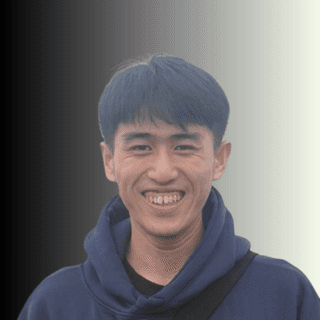
Leonard Chin
Follow me on LinkedIn.
Simeon Lumgair.
This week, we’re featuring Simeon Lumgair, an award-winning screenwriter and director based in London who has spent twenty years building Quirky Motion into an exciting independent film and animation production company.
Quirky Motion's work spans music promos and commercials, business communication films, and documentaries, with projects created for an impressive breadth of partners…
From broadcasters like the BBC, Sony TV, and Channel 4, to global brands including Virgin Media, eBay, and Unilever, to cultural institutions like The Young Vic and English Touring Opera, alongside publishers such as HarperCollins and music companies including Peer Music and Caffè Nero. Simeon's directorial work includes Derelict, Éluder, Hush and The Proposal, all of which have earned recognition at international film festivals. As a screenwriter, he's written multiple feature screenplays and television series.
What stands out about Simeon isn’t just his filmography, but… how he’s built trust across industries that rarely overlap. From helping resurrect the story of a forgotten spring in Tunbridge Wells, to collaborating on longform projects rooted in community magic, his body of work is proof that relationship-building takes time.
Let’s dive into what he shared about building a business that values people as much as story.
Found Magic in a Coffee Shop.
Leonard Chin: What’s an instance when a relationship led to a big win or a really great opportunity for your business?
Simeon Lumgair:
“The Day We Found Magic in a Coffee Shop
In 2008, it started in the most unremarkable way imaginable. We were volunteering at a local English language exchange program, teaching internationals arriving in South London how to navigate their new country, make friends, and integrate into British life. Our venue wasn't a formal classroom or corporate training centre. It was a small coffee shop called Bertie and Boo, tucked away on a quiet South London street. The owners were Sam Danby and his family, descendants of a legendary family of magicians. The cafe, named after the family's most beloved entertainers, Bertie and Boo, carried that spirited, whimsical energy into everything it did.
We could have simply been customers. Instead, we became regulars who believed in what Sam was building. That consistent presence mattered. Over months and then years, we came to know Sam genuinely and began to understand what he hoped to build.
By 2010, we'd created something together that none of us could have predicted: a three-part children's television series centred around magic and mayhem. It was the natural evolution, with both parties genuinely wanting to create something meaningful.
The Second Act: A Spring Awakens
A few years ago, Sam reached out. But this time, it wasn't about coffee shops or children's television. He had something bigger on his mind.
The natural spring water in Tunbridge Wells has been treasured since 1606. For centuries, it was a source of pride and a place of pilgrimage. People travelled from across the world to experience its legendary properties. But by the time Sam arrived, the Pantiles area surrounding this historic spring had fallen into neglect. The Greek temple-style amphitheatre that once framed the fountain was forgotten. The stories were forgotten. The magic had dimmed.
Sam saw what others didn't: an opportunity to resurrect something beautiful.
He asked us to help bring it back.
Creating Magic Through Story
What we developed together wasn't just a restoration project. It was a narrative experience. We created an illustrated audio tour map, a half-hour loop through Tunbridge Wells that guides visitors through the town's history using QR codes, animations, and accessible storytelling. Each leg of the journey offers visitors a new opportunity to engage with local history through tongue-in-cheek animation, humour, and genuine insight.
The most rewarding part? We recorded the scripts with Sam and his wife, Boo. Hearing them bring the town's history to life, with warmth, humour, and obvious affection for their community, reminded us why we do this work. This wasn't corporate speak, AI chitchat or marketing copy. These were two people who genuinely cared about their town and told its story to others.
The project taught us something profound: when you're willing to invest in relationships over transactions, years of patience compound into moments of unexpected opportunity and impact.”
Build For Longevity, Not Quick Wins.
Leonard Chin: What's your daily/weekly routine for maintaining relationships that help your business?
Simeon Lumgair:
“The Daily Practice of Long-Term Relationships
Our business operates across seemingly disparate worlds—broadcasters, charities, think tanks, galleries, the music industry, the public sector, cinema, and television. The thread connecting all of it? Word of mouth. Trust. Relationships.
The majority of our work comes through people who've worked with us before or who've been referred by someone who trusts us. We stay in touch not because we're hoping for a project, but because we're genuinely curious about what clients are building next.
We constantly receive emails from potential suppliers that are aggressively transactional. Reflecting on what we've received, we refuse to be like that. We invest time in conversations about what matters to our partners before we ever talk about budgets or timelines. When a client pushes back on our advice about narrative integrity because they want to cut corners, we tell them honestly when we think they're making a mistake. Some listen. Some don't. But everyone knows we're trying to get the best for the project.
We pay our freelancers before we get paid. This decision has come at a genuine financial cost over the years. But the relationships we've built with incredible collaborators, performers, cinematographers, editors, and sound designers are invaluable. These people know we value their work enough to prioritise their income in a creative industry built on mutual respect, which matters immensely.
We build for longevity, not quick wins. Our very first job as a company came in response to an advertisement in a magazine from two years prior. Think about that: we waited two years before landing our first project. It taught us that patience is a competitive advantage. Most projects take longer to come about than you expect. That first magazine ad was a seed that took time to grow. Understanding this changes how you show up in relationships; you're not anxious, you're not pushy, you're consistent and clear about who you are and what you believe in.
We hire and collaborate with people who understand the power of story. The people we choose to work with share our conviction that getting the narrative right creates films and projects with genuine longevity. A poorly told story, no matter how well-produced, fades quickly. A story told with authenticity and care stays with people.”
Five Pieces of Wisdom.
Leonard Chin: What tips would you give to your younger self around relationships and how they impact business?
Simeon Lumgair:
“Wisdom for Younger Versions of Ourselves
Looking back at twenty years in this business, and a few years before working for others, here's what we'd tell a younger screenwriter or creative professional:
Your identity is not your output. This is harder to remember when you're starting, and every project feels like it defines you. But the most personal, authentic work we've done, the work that resonates most deeply with audiences, came from a place of genuine interest, not ego or ambition. When you're chasing validation through projects, it shows. When you're chasing truth through story, it shows something better.
Stick to your convictions about story, but hold your clients gently. Many clients haven't heeded our advice about investing in narrative, and their campaigns have fallen flat. It's tempting to say "I told you so." Instead, we've learned to make our case persuasively, let them make their choice, and forgive them if they choose differently. Some clients will listen. Some won't. There is always plenty to learn from both experiences. You can tell which clients care about story in our work, and those who don't, you probably haven't seen their project, as it's buried in obscurity.
Pay attention to people who are more junior than you. Every relationship counts. You genuinely never know who knows who, how long it will take for something to bear fruit, or what role someone junior today will play in your future. It's important to realise that all people are valuable, not because of what they might bring you one day, but because we are all made equal. We've always prioritised making relationships with freelancers and younger collaborators feel important, because they are. Sixteen years from that first coffee shop conversation with Sam, we're still collaborating, and the people we treated well along the way have become part of our extended creative family.
Patience is worth it. Not patience as in passive waiting, but patience as in understanding that meaningful work takes time. The best relationships, both in business and life, can't be rushed. They develop through consistency, genuine interest, and showing up reliably over years. It's always better to make an authentic connection that doesn't turn into anything than a disingenuous one that wastes everyone's time.
The Long View
Sixteen years. That's how long it took from a conversation in a coffee shop to creating a community landmark together. In a world obsessed with rapid growth, viral moments, and quick returns, that timeline feels almost absurd. By modern startup metrics, we "wasted" years on a relationship that didn't immediately translate to revenue. We could have been pursuing bigger names, flashier projects, faster wins.
Instead, we built something that's still growing.
That's the most important thing we've learned about relationships in business: they're not a marketing tactic or a sales strategy. They're the foundation of everything sustainable. When you invest in people, genuinely, patiently, with your whole self, the work that emerges reflects that investment. It's better. It lasts longer. It matters more.
The spring water in Tunbridge Wells has been treasured for over 400 years. Now, thanks to the patience and vision of someone we met over coffee, that story is being rediscovered by new generations. We're honoured to have been part of making that happen.
And we're curious to see what Sam's building next.”
Key Takeaways.
We’re glad to have Simeon Lumgair with us on this week’s series, but if anything, here are the few key takeaways:
Years of trust can unlock unexpected creative opportunities… when built on mutual belief, not transactions, just like how Simeon experienced it with the community landmark project.
Clients and collaborators respond to consistency. Quirky Motion’s network thrives on showing up, prioritizing story, and paying people ahead of paydays.
Meaningful work takes time. It’s a long-view mindset that turns early seeds… even a magazine ad… into real opportunities years later.
That’s all for this week.
If you're open to sharing your experiences in one of our future articles… or know of someone who is, feel free to drop me an email here.
Author.
Leonard Chin
Follow me on LinkedIn.